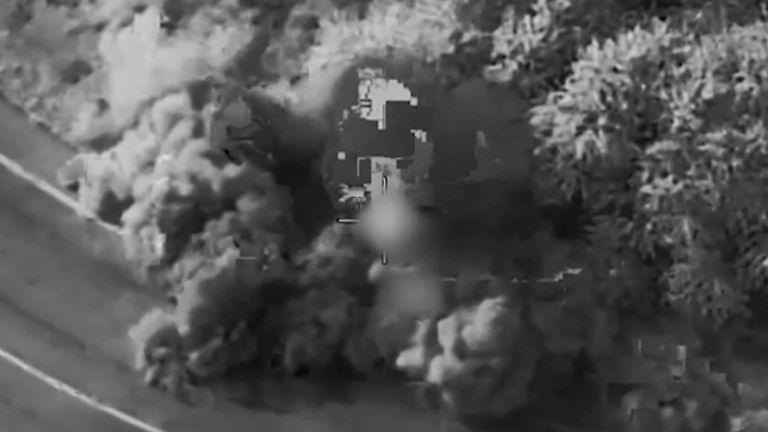
WASHINGTON/TEHRAN: The US Iran War has exploded and fragile geopolitical equilibrium in the Middle East has violently collapsed, plunging the region into a severe maritime and aerial conflict. Over the past 48 hours, the US strikes on Iran have escalated into an intense, multi-wave bombing campaign executed by United States Central Command (CENTCOM) forces, attempting to neutralize Tehran’s ability to disrupt commercial shipping.
The escalation behind the US Iran war took a deadly turn overnight on Thursday, July 16. A new wave of American airstrikes battered southern Iran, hitting the Bandar-e Khamir bridge in Hormozgan province and a residential area in the port city of Bandar Abbas. According to local Iranian media, these July 16 strikes resulted in at least seven fatalities and left 16 others wounded. Additional explosions were reported near an airport in Iranshahr in Sistan and Baluchestan province, as well as in the southwestern Khuzestan province.
US Iran War: CENTCOM Claims Strike On Chabahar
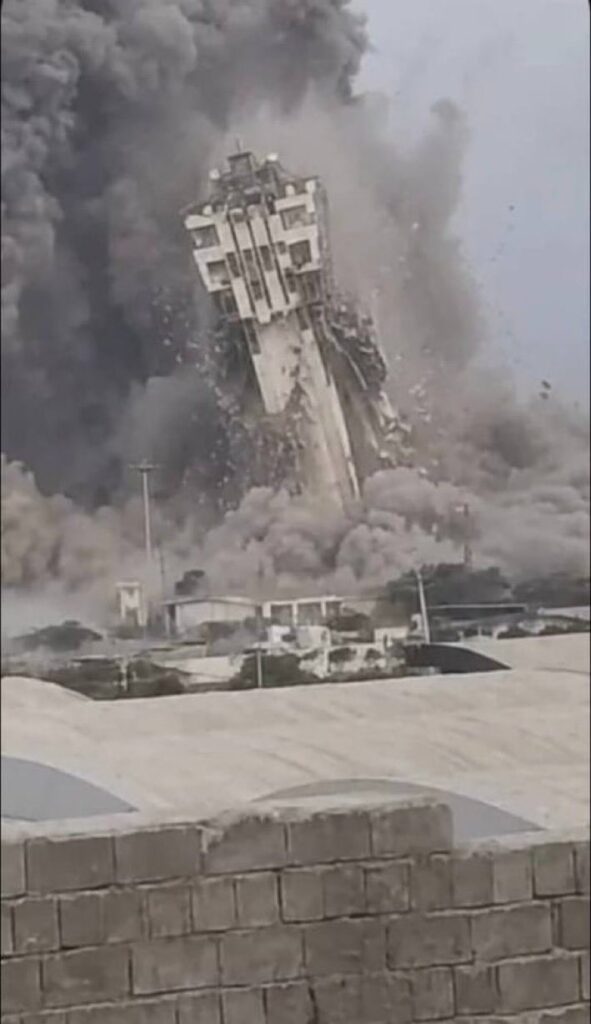
The offensive aggressively expanded into early Friday, July 17, when US airstrikes reportedly collapsed a tower at Iran’s Chabahar port on the Gulf of Oman—a vital trade route. The U.S. Central Command noted that precision munitions hit dozens of targets, including coastal surveillance, military logistics infrastructure, and air defense sites. US Iran war has descended into fresh chaos.
In immediate, heavy retaliation to the US strikes on Iran, IRGC broadened the conflict across neighboring Arab nations. On July 17, Iranian forces struck a power and desalination plant in Kuwait, exposing severe regional water vulnerabilities. Furthermore, the IRGC claimed to have launched ballistic missiles and drones at a US airbase in Jordan, while also targeting US radar systems and military aircraft at the al-Udeid airbase in Qatar in an effort to “punish the aggressor”.
The rapidly deteriorating situation has triggered immense anxiety across global energy markets, as the interim ceasefire completely unraveled. The Strait of Hormuz is the world’s most vital chokepoint for oil exports, and the ongoing violence has effectively paralyzed transit. In tandem with the airstrikes, the U.S. Navy officially moved to enforce a strict naval blockade on all Iranian ports.
On Thursday, US Marines actively boarded the M/T Wen Yao in the Gulf of Oman to ensure full compliance with the blockade. Simultaneously, US forces fired upon and disabled an unladen Curacao-flagged oil tanker that attempted to break the maritime cordon.
ALSO READ: US Iran War: Trump Bombs Iran After Attack On Ship With Indian Crew, 1 Dead
RECOMMENDED FOR YOU: US Iran War: Trump Bombs 90+ Iranian Sites, Declares Ceasefire Is Over
International leaders are sounding the alarm over the cascading economic impacts. Fatih Birol, head of the International Energy Agency (IEA), publicly warned that the global community faces a severe energy security crisis if the flow of oil through the Strait is not restored immediately.