DUBAI/WASHINGTON: The geopolitical conflict in the Middle East has seen a massive and violent escalation as the US President Donald Trump intensified strikes on Iran relentless campaign entered their seventh consecutive day on July 18. Following the complete collapse of a fragile June ceasefire, both nations are exchanging heavy, sustained bombardments, significantly threatening global energy supplies and regional stability.
The latest wave of fighting has expanded beyond direct US-Iran engagements, with Tehran launching severe retaliatory attacks against American military assets and allied infrastructure across multiple Gulf states.
The Seventh Night of US Strikes on Iran, Trump Threatens More Attacks
The United States Central Command (CENTCOM) confirmed it launched its seventh straight night of airstrikes against Iranian territory. These operations were specifically designed to degrade Iranian military and logistical capabilities.
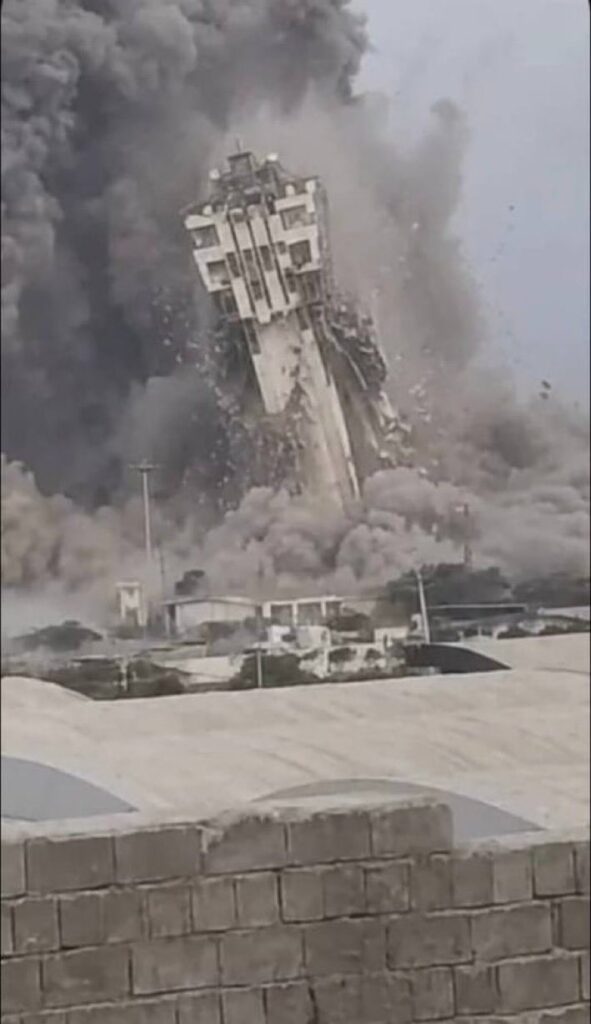
- Chabahar Port Tower: US airstrikes brought down a critical maritime control tower at Iran’s Chabahar port on the Gulf of Oman. US Defense Secretary Pete Hegseth shared images of the collapsed surveillance tower, which the US military claimed the Islamic Revolutionary Guard Corps (IRGC) used to facilitate attacks on commercial vessels.
- Bridge Infrastructure: American forces hit vital bridges in Iran’s southern Hormozgan province, a key transit point for the major port city of Bandar Abbas. Iranian state media reported that these strikes resulted in at least seven fatalities.
- Military Targets: The US also targeted underground weapons storage facilities, coastal surveillance sites, electrical infrastructure, and an airport in Iranshahr.
Strikes came after Trump threatened to hit power infrastructure and bridges in Iran.
Iran Retaliates Against Gulf Nations
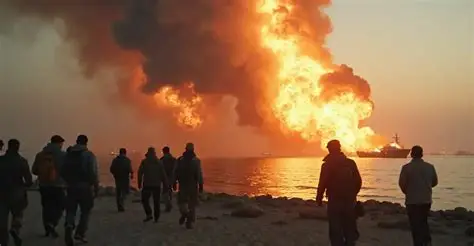
In direct response to the heavy US Iran strikes 2026, Iran’s military and the IRGC significantly expanded the conflict zone by targeting US allies hosting American forces.
- Kuwait: Kuwait came under sustained attack, with an Iranian strike hitting a critical water desalination and power plant. The attacks caused fires and temporarily suspended operations at Kuwait International Airport. The IRGC also claimed to have struck a US military support centre at Camp Arifjan and destroyed a radar facility at Ali Al Salem Air Base.
- Bahrain: Bahrain was forced to activate air raid sirens multiple times, advising residents to take shelter. Iran claimed to have targeted an intelligence datacentre and a site hosting US combat aircraft at the Sheikh Isa air base.
- Jordan & Qatar: Iran claimed to have destroyed US fighter aircraft during a missile attack on a base in Al Azraq, Jordan. Sirens and interceptions were also reported in Qatar, though Qatari defenses successfully neutralized the incoming missiles.
ALSO READ: US Iran War Explodes: Washington Bombs Bridges, Highways and Ports
RECOMMENDED FOR YOU: Historic Skyroot Vikram 1 Launch: India’s First Private Orbital Rocket Lifts Off
Tensions Peak in the Strait of Hormuz
The ongoing US Iran strikes 2026 are heavily concentrated around the strategic Strait of Hormuz, effectively paralyzing commercial shipping traffic in the vital waterway. Trump claims that US controls the waterway while Iran asserts its administration has the right to manage it.
To enforce a strict naval blockade on Iranian ports, US Marines conducted a boarding operation on the commercial tanker M/T Wen Yao in the Gulf of Oman to verify compliance. Meanwhile, the IRGC warned that any vessels violating its navigation rules in the strait would be targeted. Consequently, the severe disruption to the global oil supply chain has driven Brent crude prices above $86 a barrel, the highest level in over a month.