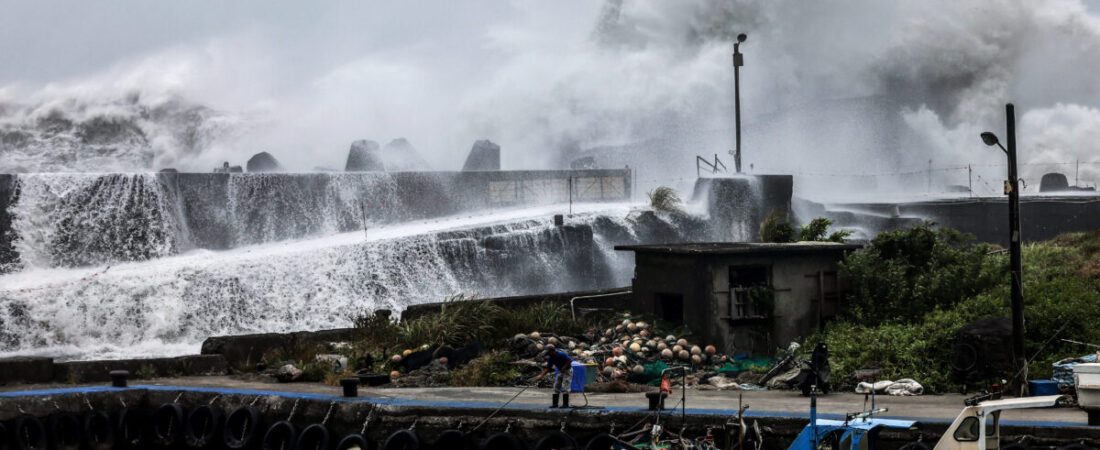
BEIJING: Super Typhoon Bavi, the strongest July storm to hit eastern China since 1949, has triggered massive evacuations and paralyzed coastal cities after making a violent double-landfall over the weekend. Packing destructive winds of up to 144 km/h (40 meters per second), the severe weather system churned ashore in Zhejiang province, forcing local authorities to rapidly relocate over 2.68 million residents to emergency shelters.
Historic Flooding and Infrastructure Paralysis in Zhejiang
The typhoon made its initial landfall late Saturday night in Yuhuan City before striking Yueqing City around midnight. While the storm has steadily weakened as it moves northwest inland, its massive size continues to dump unprecedented rainfall across the region. Parts of central and southern Zhejiang have recorded extreme downpours, causing widespread urban waterlogging and creating high risks of geological disasters.
The human cost of Super Typhoon Bavi is becoming tragically clear as rescue workers navigate submerged cities across eastern China. Authorities confirmed early Monday that at least 18 people have died and 24 remain missing after the severe weather system triggered catastrophic flash floods and landslides in Zhejiang province.
In response, provincial emergency management authorities ordered the immediate shutdown of 830 construction sites and suspended classes at all educational institutions. Over 1,300 trees were uprooted in Yueqing alone, while Shanghai—which evacuated nearly 290,000 people from at-risk zones—saw hundreds of flight cancellations at its Pudong and Hongqiao International Airports.
Red Alerts Issued as Storm Moves North to Shenyang
The catastrophic weather system has now pushed deep into North China, triggering a red flood alert in Shenyang, the capital of Liaoning province, early Monday morning. With cumulative rainfall expected to reach up to 160 millimeters, local river levels—including the Liaohe and Hunhe—have risen dangerously high. Multiple cities across the province have halted business operations and public transport, while China Railway suspended numerous train services to ensure passenger safety.
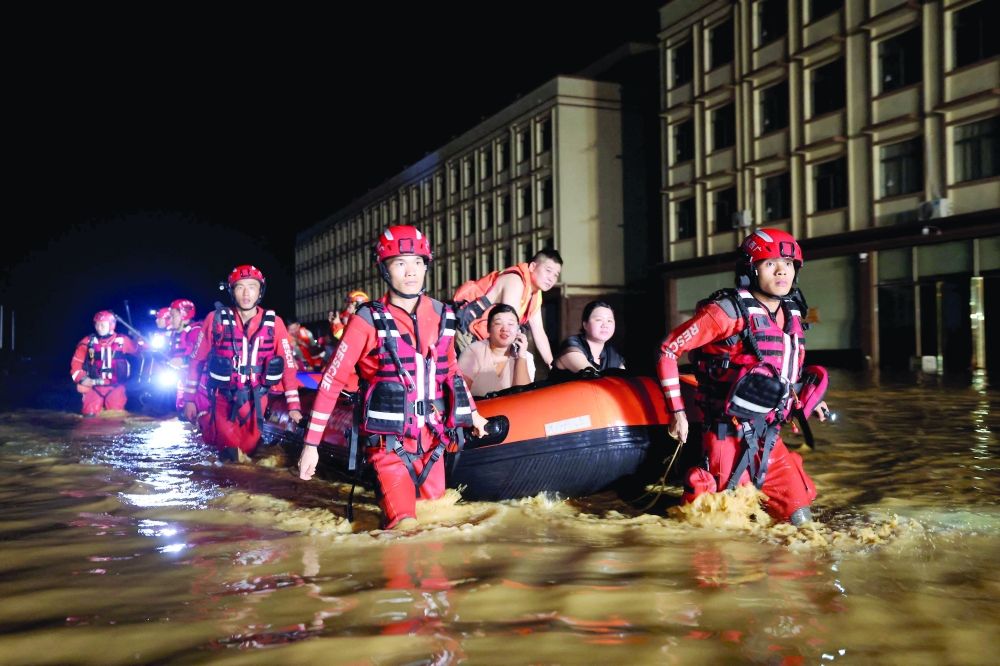
ALSO READ: Bangkok Pub Fire: 27 Killed, 60+ Injured, Lights Off, Exits Blocked | What We Know?
RECOMMENDED FOR YOU: 15 Indian Tourists Killed In Vietnam After Boat Capsizes Off Coast
Path of Destruction Across the Pacific
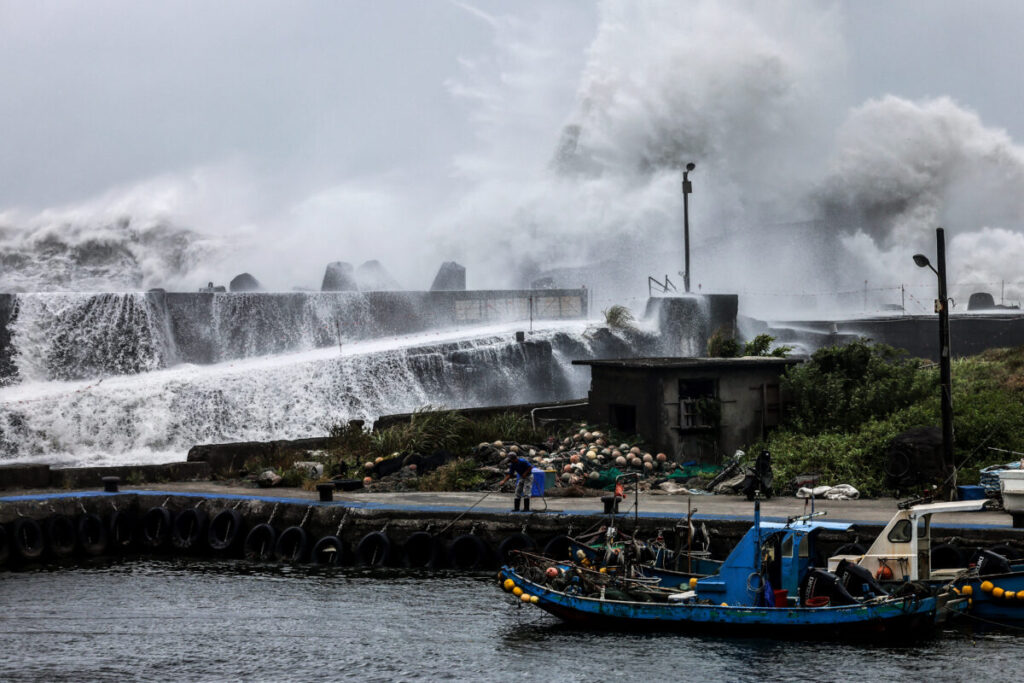
Before battering mainland China, Bavi—known internationally as Super Typhoon Inday—left a devastating trail across the Pacific. The storm triggered fatal landslides in the Philippines and injured at least 134 people across Taiwan as it brushed past the island with hurricane-force gusts. Rescue and relief operations are now in full swing across eastern China as authorities race to clear debris and restore critical infrastructure.