
The ISRO Gaganyaan mission is currently facing a massive internal challenge as the Indian Space Research Organisation (ISRO) battles a sudden and severe “brain drain.” In a shocking development on Thursday, July 16, 2026, it was revealed that nearly 100 highly skilled personnel have resigned from various space centers across the country.
This mass exodus threatens to delay critical projects of national importance, prompting immediate executive action from the government.
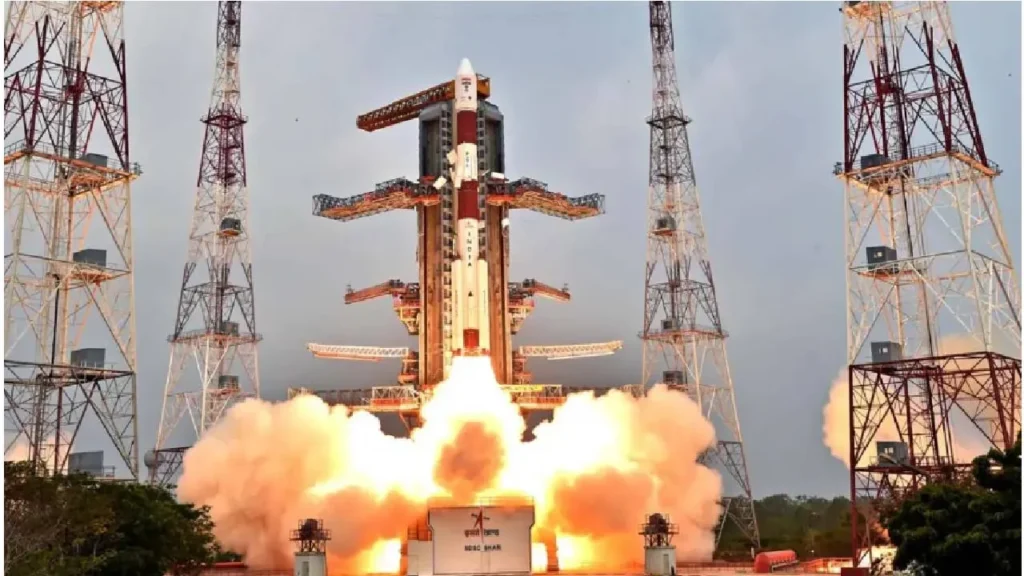
Why Are Scientists Leaving the ISRO Gaganyaan Mission?
The departure of top-tier personnel is a major blow to India’s first manned spaceflight initiative. The mission relies heavily on experienced engineers, flight dynamicists, and aerospace experts.
While the exact reasons for the resignations remain officially undisclosed, industry insiders suggest that the booming private space sector and lucrative offers from international aerospace companies are pulling top talent away from the state-run agency. The financial disparity between government salaries and private-sector compensation has historically been a pain point, and the current rush toward commercial spaceflight has only amplified the gap.
Department of Space Intervenes to Protect the ISRO Gaganyaan Mission
Recognizing the immediate threat to the ISRO Gaganyaan mission and other crucial satellite programs, the Department of Space (DoS) has stepped in.
An urgent internal memorandum has been circulated across all ISRO facilities. The memo aims to immediately curb the exodus of specialized scientists and engineers working on high-priority national missions.
Key Actions Proposed to Halt the Brain Drain
To stabilize the workforce ahead of upcoming critical test flights, the space agency is reportedly considering several retention strategies to stop the bleeding of talent:
- Enhanced Allowances: Proposing special performance-based incentives for personnel working on tier-one projects like the ISRO Gaganyaan mission.
- Career Progression Reforms: Fast-tracking promotions for junior and mid-level engineers who demonstrate exceptional technical capabilities.
- Strict Notice Periods: Enforcing tighter guidelines on sudden resignations for personnel holding sensitive architectural knowledge of crewed spacecraft.
ALSO READ: Samay Raina In Trouble? Supreme Court Slaps Rs 3 Lakh Penalty Over ‘Brazen Violation’
RECOMMENDED FOR YOU: Tragedy at Puri Jagannath Rath Yatra: 1 Dead, Over 100 Hospitalised in Stampede-Like Crowd Surge
What is Next for India’s Manned Spaceflight?
Despite the alarming attrition rate, ISRO leadership remains committed to the established timeline for the ISRO Gaganyaan mission. The agency recently completed major splashdown tests for the crew module, proving the structural integrity of the capsule and maintaining forward momentum.
However, replacing 100 veteran scientists requires significant time and training. As India pushes to join the elite club of nations capable of sending humans to space, stabilizing its core workforce is now just as critical as perfecting the launch vehicle technology.